Exploring the world of Commercial Roofing Contractors for Waterproof Membrane Systems unveils a realm of expertise and innovation. From installation to maintenance, this guide delves into the intricacies of ensuring commercial roofs remain watertight and durable.
Delve deeper into the various types of membrane systems, installation processes, and maintenance tips to elevate your understanding of this essential aspect of commercial roofing.
Overview of Commercial Roofing Contractors for Waterproof Membrane Systems
Commercial roofing contractors play a crucial role in the installation of waterproof membrane systems on commercial roofs. These contractors are experts in ensuring that the waterproofing materials are properly installed and will effectively protect the building from water damage.Waterproof membrane systems are essential for commercial roofs as they provide an added layer of protection against water infiltration.
By preventing water from seeping into the building, these systems help maintain the structural integrity of the roof and the overall building.
Examples of Common Waterproof Membrane Systems
- EPDM (Ethylene Propylene Diene Terpolymer): A durable synthetic rubber membrane that is commonly used for commercial roofing due to its resistance to UV rays and weathering.
- TPO (Thermoplastic Olefin): A single-ply membrane that offers excellent flexibility and resistance to tears, punctures, and chemicals.
- PVC (Polyvinyl Chloride): Another single-ply membrane known for its durability, longevity, and energy efficiency.
- Modified Bitumen: A multi-layered system that combines asphalt with modifiers to create a strong, waterproof membrane.
Types of Waterproof Membrane Systems
When it comes to waterproof membrane systems for commercial roofs, there are several options available, each with its own set of advantages and disadvantages. Let's compare and contrast some of the most popular types:
EPDM (Ethylene Propylene Diene Monomer)
EPDM is a synthetic rubber membrane that is known for its durability and flexibility. It is easy to install and repair, making it a cost-effective option for many commercial roofing projects. However, EPDM can be susceptible to punctures and is not as resistant to oils and chemicals as some other membrane materials.
TPO (Thermoplastic Olefin)
TPO membranes are a popular choice for commercial roofs due to their energy efficiency and reflective properties. They are also resistant to UV radiation and chemical exposure, making them a durable option for many buildings. However, TPO membranes may be prone to tearing during installation if not handled properly.
PVC (Polyvinyl Chloride)
PVC membranes are known for their strength and durability, as well as their resistance to chemicals, oils, and grease. They are also fire-resistant and have a long lifespan when properly maintained. On the downside, PVC membranes can be more expensive than other options and may not be as environmentally friendly.
Installation Process of Waterproof Membrane Systems
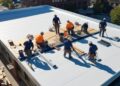
When it comes to installing waterproof membrane systems for commercial roofs, there are several key steps that need to be followed to ensure a successful and watertight seal.
Preparation Work
Before the installation of the waterproof membrane system can begin, it is crucial to properly prepare the roof surface. This includes cleaning the roof of any debris, dirt, or old roofing materials that could interfere with the adhesion of the membrane.
Any necessary repairs to the roof substrate should also be completed before installation.
Installation Steps
- 1. Substrate Inspection: The first step is to inspect the roof substrate to ensure it is in good condition and free of any defects that could compromise the membrane's performance.
- 2. Primer Application: A primer is then applied to the substrate to enhance the adhesion of the membrane.
- 3. Membrane Installation: The waterproof membrane is then rolled out and carefully installed according to the manufacturer's guidelines, ensuring proper overlap and sealing of seams.
- 4. Adhesive Application: Adhesive is applied to secure the membrane in place and create a watertight seal.
- 5. Edge Detailing: Special attention is paid to detailing around roof edges, penetrations, and transitions to ensure complete coverage and waterproofing.
- 6. Quality Check: Once the installation is complete, a thorough quality check is conducted to ensure the membrane has been installed correctly and there are no leaks or defects.
Best Practices for a Watertight Seal
Ensuring a watertight seal during the installation of a waterproof membrane system is essential for the long-term performance of the roof. Some best practices to achieve this include:
- Proper surface preparation and substrate inspection.
- Strict adherence to manufacturer's guidelines for installation.
- Thorough sealing of seams and overlaps.
- Regular quality checks during and after installation.
- Using high-quality materials and experienced roofing professionals for the installation.
Maintenance and Repair of Waterproof Membrane Systems
Regular maintenance is crucial for extending the lifespan of waterproof membrane systems on commercial roofs. By performing routine inspections and addressing any issues promptly, you can prevent small problems from escalating into costly repairs or replacements.
Inspecting Commercial Roofs
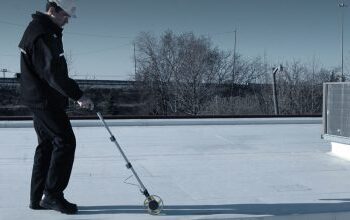
- Regularly inspect the roof surface for any signs of damage, such as punctures, tears, or blistering.
- Check the seams and edges of the membrane system for any signs of separation or lifting.
- Inspect the drainage system to ensure water is properly draining off the roof and not pooling in any areas.
Common Repair Techniques
- One common repair technique for leaks in waterproof membrane systems is the use of liquid-applied sealants to patch small holes or cracks.
- For more extensive damage, patches or overlays can be installed to reinforce weakened areas of the membrane system.
- In cases where the membrane has reached the end of its lifespan, a complete replacement may be necessary to maintain the integrity of the roof.
Concluding Remarks
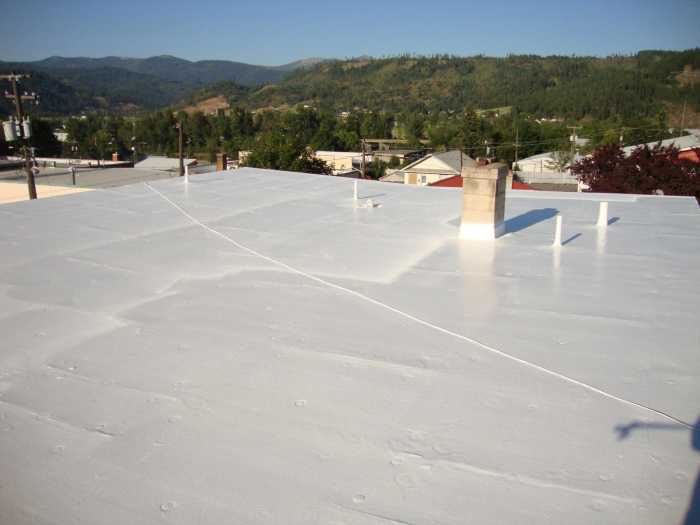
In conclusion, understanding the crucial role of Commercial Roofing Contractors for Waterproof Membrane Systems is key to maintaining the integrity of commercial roofs. By following best practices and staying proactive in maintenance, businesses can ensure long-lasting protection against the elements.
Q&A
How important is regular maintenance for waterproof membrane systems?
Regular maintenance is crucial for extending the lifespan of waterproof membrane systems as it helps identify and address potential issues early on, preventing costly repairs.
What are some common repair techniques used for fixing leaks in membrane systems?
Roofing contractors often use techniques such as patching, seam repair, or membrane replacement to fix leaks and damages in waterproof membrane systems.
Which type of membrane system is known for its durability and longevity?
EPDM (ethylene propylene diene terpolymer) membrane systems are popular for their exceptional durability and longevity, making them a preferred choice for many commercial roofing projects.